
11 Things Neurodivergent Students Need to Hear About Self-Love and Mental Health
Being a neurodivergent student in a school system built for neurotypical learning can feel exhausting, frustrating, and isolating. When you’re navigating life with ADHD, Autism, Dyslexia, or other learning differences, it’s easy to start believing the problem is you.
Plus, the fact that neurodivergent students experience depression, anxiety, and other mental health challenges at higher rates than neurotypicals, self-love can feel like a stretch.
With February being a month we celebrate love, we thought there’s no better time than to remind neurodivergent students that the best love, is self-love.

Here are 14 things we think every neurodivergent student deserves to hear.
1. Your brain isn’t broken, it’s just wired differently.
Being a neurodivergent student means your brain processes information, emotions, and the world in a different way than many of your classmates. That difference is not a flaw. Neurodiversity means different ways of thinking and learning are valid and valuable.
2. Needing a break or more time doesn't make you weak or lazy.
Many neurodivergent students need extra time to process information, complete tasks, or recover after a long day of focusing and masking. That’s not laziness, it’s your brain working hard in ways other people don’t always see. Giving yourself permission to pause is part of protecting your mental health.
3. Struggling in school does not mean you are not intelligent.
School is usually set up as a one-size-fits-all system, and it doesn’t always reflect how smart you truly are. Students with ADHD, dyslexia, autism, and other learning differences often understand concepts deeply, even if traditional assignments are challenging. Your intelligence is real, even if grades or test scores haven’t always shown it.
4. You shouldn’t have to mask your neurodivergence to feel accepted.
Masking your neurodivergence to “fit in” can be mentally exhausting and harmful to your self-esteem. You shouldn’t feel pressure to hide how you think, communicate, or move just to be accepted.
5. You are not behind. You’re on a different timeline.
Comparing yourself to neurotypical classmates can make it feel like you’re always a step behind. In reality, your path may simply look different because your brain works differently. Progress is still progress, even if it doesn’t look like everyone else’s.
6. You are allowed to need accommodations and support.
Asking for accommodations is not asking for special treatment, it’s asking for equal access to learning. Support exists because neurodivergent students need tools that match how their brains work. Needing accommodations does not make you less capable.
7. You aren’t “too much”. You’re perfectly you.
Being passionate, talkative, emotional, creative, or energetic is not something you need to shrink. Many neurodivergent students are told they are “too much” when they are simply expressing themselves naturally. Those traits are often connected to creativity, empathy, and unique ways of thinking.
8. If you struggle with anxiety or low confidence because of your neurodivergence, you’re not alone.
Anxiety and low self-esteem are common mental health challenges for neurodivergent students. Years of misunderstanding, comparison, and masking can make it hard to feel confident in yourself. Finding people who understand this experience can make a big difference.
9. You don’t have to earn rest.
Rest is not something you ‘get to have’ after being productive. Your brain works hard every day, especially if you are navigating learning differences and social expectations. Taking breaks and allowing yourself to recharge is part of caring for your mental health.
10. Your path will look different from neurotypical classmates, and that’s okay.
The way you learn, grow, and reach goals may not follow the same pattern as other students. That doesn’t make your path wrong, it just makes it yours. Different paths can still lead to success, confidence, and fulfillment.
11. Finding a neurodivergent community can change everything.
Connecting with other neurodivergent students can make you feel seen in a way that’s hard to explain. Community reduces isolation, builds confidence, and reminds you that you’re not alone in your experiences.
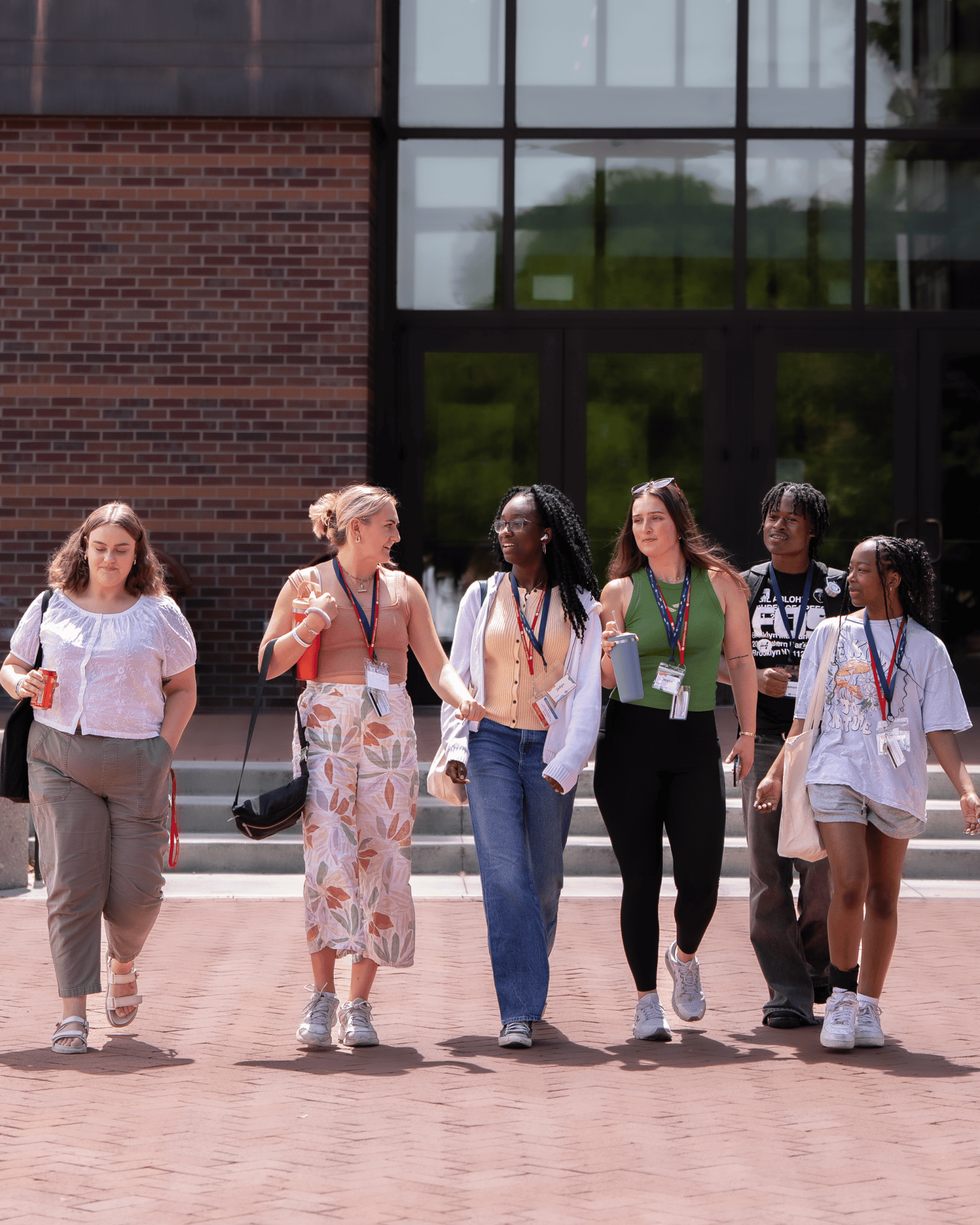
That sense of belonging is something many students discover when they find spaces like The ND Alliance.
Self-love as a neurodivergent student starts with understanding yourself, finding support, and surrounding yourself with people who see you and your strengths. It grows in spaces where you don’t have to mask or prove anything about the way your brain works.
When you connect with other neurodivergent students, allies, and mentors who truly get it, confidence and self-acceptance become a little easier. If you’re looking for a place where you can show up as yourself and be celebrated for it, The Neurodiversity Alliance is here for you.
Join our community and learn more about our programs and how you can get involved.