
The Real Cost of Stigma Around Neurodiversity (and Why It Matters for Young People)
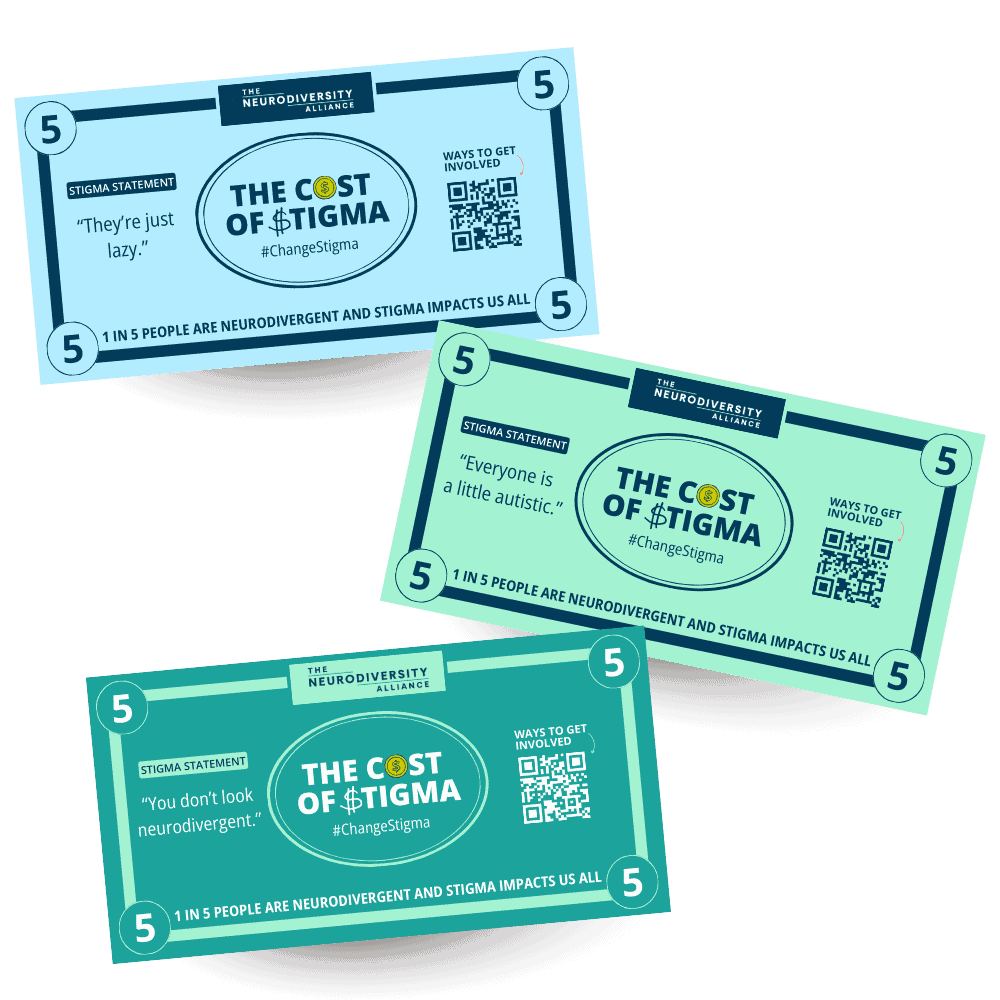
When you ask most people what stigma looks like, they picture bullying or discrimination. But stigmas aren’t always that obvious. Too often, it sounds more like “You’re just lazy”, “Everyone’s a little autistic”, “You don’t look autistic/ADHD/dyslexic/neurodivergent”, “You’re so dramatic”, or “You just need to try harder”.
These phrases get brushed off as jokes, observations, or even opinions. But for neurodivergent youth, these comments are not small - they accumulate. And over time, they carry very real emotional & mental, social, academic, and financial costs.
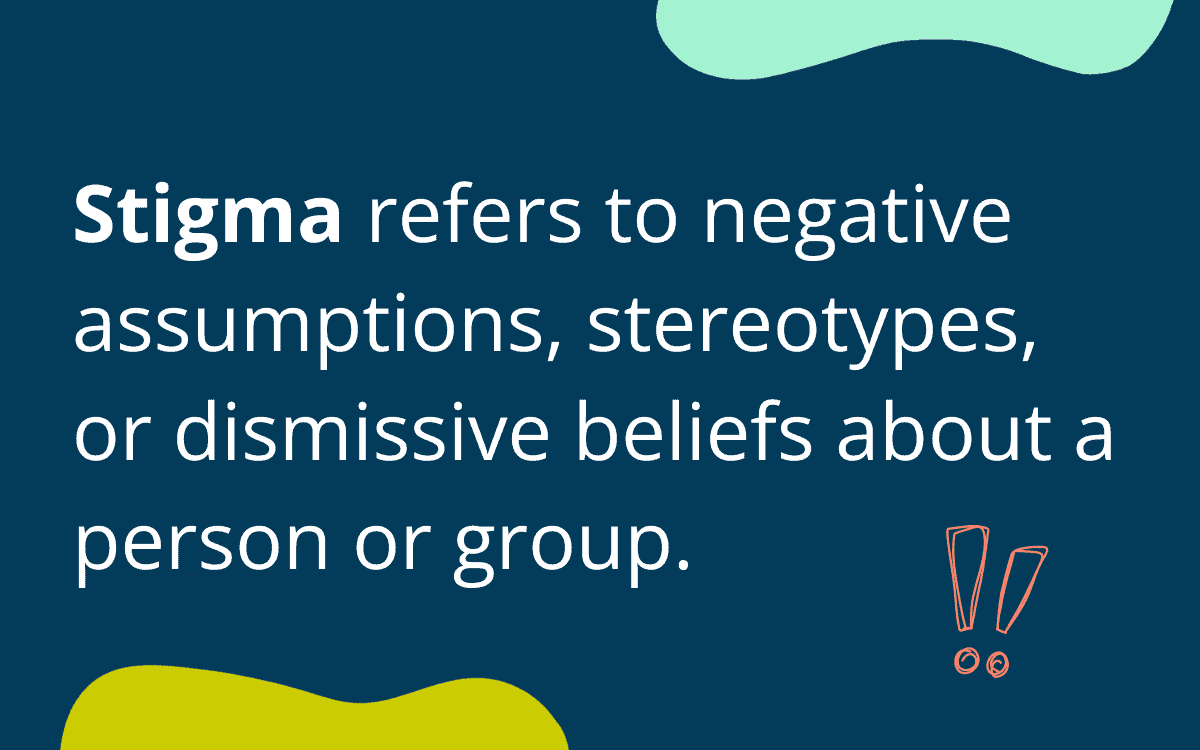
First, What Is Stigma Around Neurodiversity?
In the context of neurodivergent students, stigma shows up as dismissive comments, lowered expectations, or the belief that their differences are actually deficits, rather than variations in how our brains work.
Neurodivergent individuals, including those with ADHD, autism, dyslexia, and other cognitive differences, often experience stigma long before they understand what neurodiversity even means.
Studies have found that stigma toward autism and ADHD is associated with increased social exclusion and lower peer acceptance among youth. Young people who perceive stigma are more likely to experience anxiety, depression, and reduced self-esteem.
When stigma becomes part of daily life, it shapes identity.
The Emotional and Mental Health Cost
When young people repeatedly hear that they are lazy, dramatic, or not trying hard enough, they begin to question themselves.
When young neurodivergent youth constantly hear dismissive language, it can lead to:
- Chronic self-doubt
- Masking behaviors to avoid judgment
- Fear of asking for help
- Social isolation
Masking, or suppressing natural behaviors to appear more “typical,” has been linked to increased stress and burnout. When you feel like you can’t be your true self almost constantly, mental health suffers.
The Social Cost
Adolescence and early adulthood are all about finding your community. Add stigma, and belonging can start to feel…conditional.
Social exclusion isn’t always loud, it shows in quiet ways that build to being left out constantly. It looks like not being invited to group projects, birthday parties, or study sessions; like classmates avoiding sitting next to someone who communicates differently; it’s being labeled “awkward,” “too intense,” or “lazy” instead of being understood.
For neurodivergent young people, these moments are not isolated. They stack. Research shows that when autistic and ADHD youth experience stigma and peer exclusion, they report lower self-esteem, more anxiety, and higher rates of depression.
Over time, being treated like you do not quite belong can reshape how you see yourself. It can make masking feel safer than authenticity.
This can lead to withdrawal, social isolation, and missed opportunities for leadership or connection.
The Academic Cost
Stigma is not only in social spaces - it often follows students into classrooms.
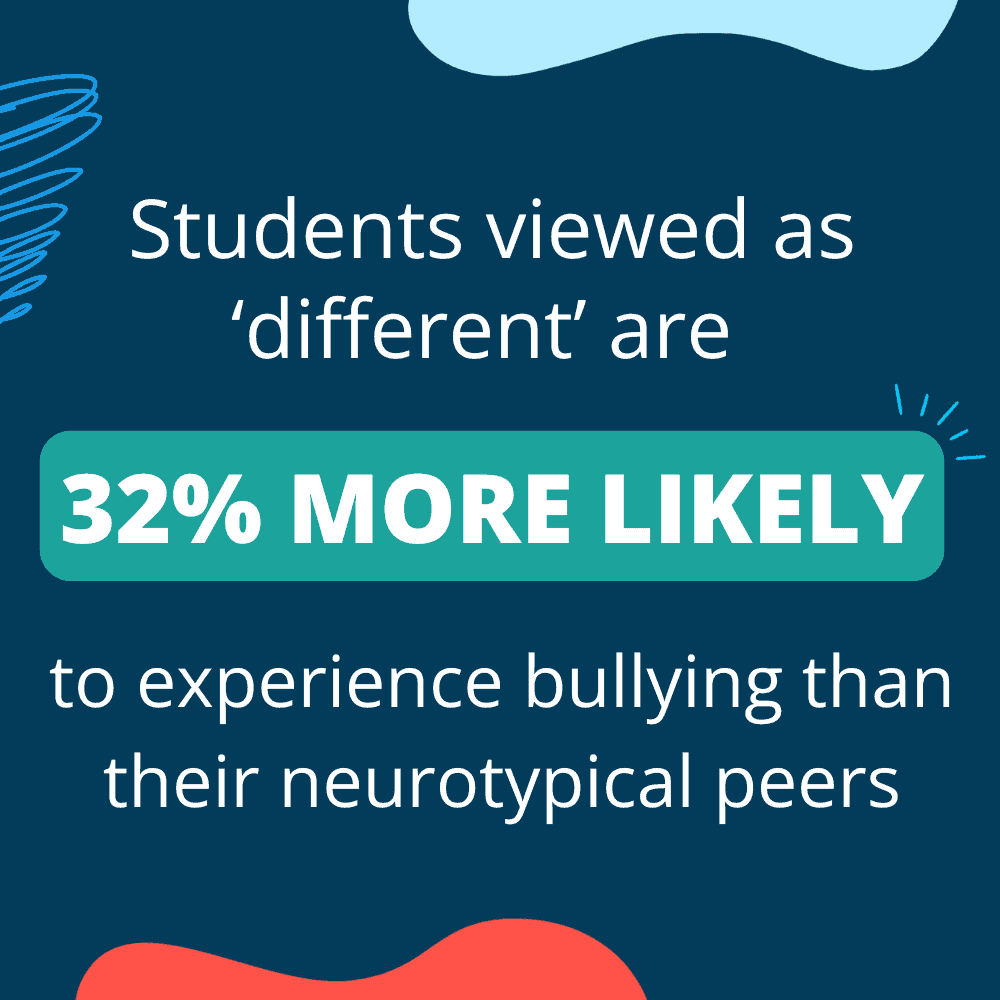
When a student is labeled as lazy or unmotivated, they are less likely to receive understanding and appropriate support. They may hesitate or worry about asking for accommodations out of fear of being judged by both their teachers and their peers. They may internalize academic struggles as personal failures instead of differences in learning style.
Data from the National Center for Education Statistics shows that students with disabilities have lower graduation rates compared to their peers. While many factors contribute to this gap, stigma and lack of support play a meaningful role.
Over time, stigma can contribute to lower academic engagement, increased dropout risk, and missed opportunities for leadership or enrichment.
The Financial Cost
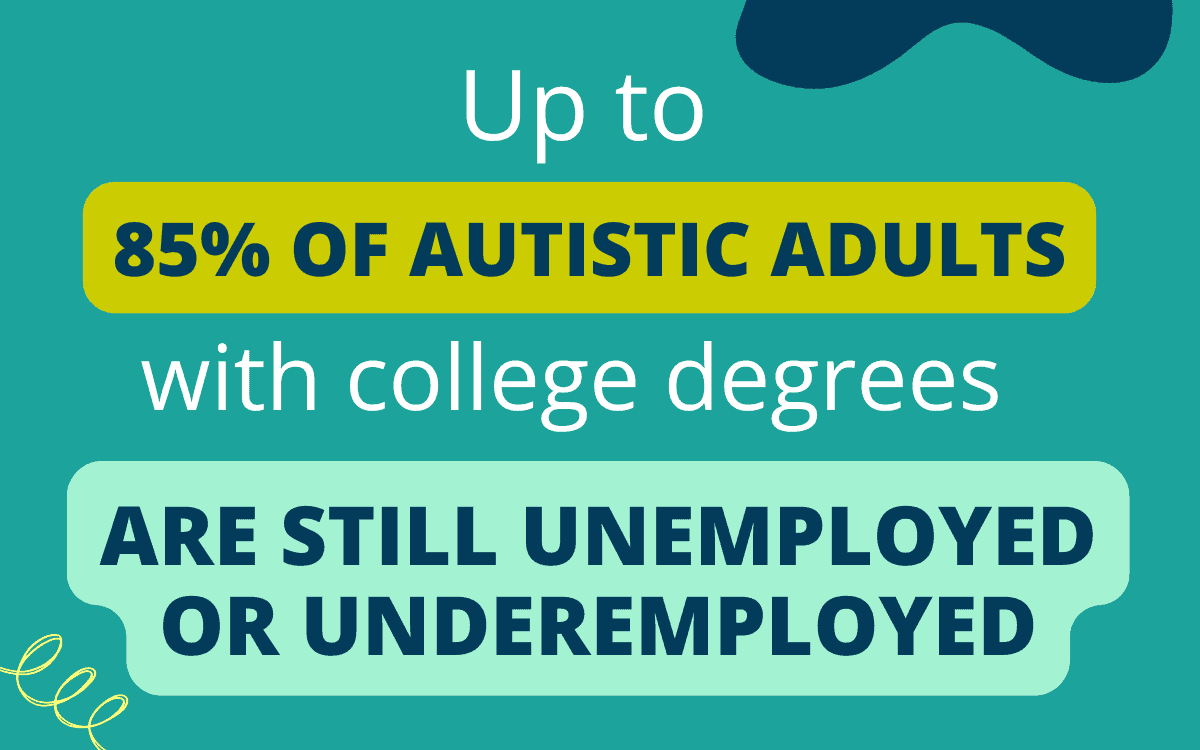
In the United States, unemployment rates for neurodivergent adults are estimated to be 30-40%, compared to 91% of young adults without differences. Adults with ADHD also face higher rates of job instability and underemployment.
When students are told they are careless, dramatic, or incapable, they may avoid competitive opportunities, leadership roles, or ambitious career paths.
These barriers exist even though neurodivergent professionals bring measurable value to workplaces. Research has shown that teams that include neurodivergent professionals can be up to 30% more productive in certain roles, especially those that benefit from pattern recognition, focus, and creative problem solving.
Stigma also has a literal price tag. Getting a formal diagnosis for ADHD, autism, dyslexia, or other neurodivergent conditions can cost hundreds or even thousands of dollars, especially when insurance coverage is limited. Add in ongoing therapy, specialist appointments, medication management, and prescriptions, and the financial burden grows quickly.
For families without access to strong insurance or nearby providers, the cost can delay or completely prevent diagnosis and support. In many cases, students are not just paying emotionally for stigma. They are paying financially to access the care that helps them navigate a world that was not designed for them.
Why “Harmless” Comments Are Not Harmless
One of the most persistent myths about stigma is that it implies bad intent. Most people who say, “Everyone struggles” or “You’re overthinking it” do not believe they are causing actual harm - but intent doesn’t erase impact.
When neurodiversity is framed as a flaw or disability, students absorb that framing. When it is understood as a natural variation in how brains work, students are more likely to feel capable and supported.
Changing the Narrative for the Next Generation
Stigma around neurodiversity thrives in subtlety. It hides in normalized language and casual assumptions. Changing stigma starts with noticing it in your day to day. It means questioning everyday phrases, replacing judgment with curiosity, and recognizing that neurodiversity is not a deficit to fix, but a difference to understand.
For neurodivergent youth, emotional wellbeing, academic success, and long-term financial stability are all shaped by how society talks about their brains.
Stigma has a cost - and when we change the way we talk about neurodiversity, we begin to change who pays it.
During National Neurodiversity Awareness Week in March, ND Alliance Chapters across the country are bringing this conversation to campus by distributing fake dollar bills printed with real examples of neurodiversity stigma.
Students place the bills into boxes representing academic, mental health, social, and financial impacts, making the hidden “cost” of stigma visible and sparking conversation about inclusion.
Want to find your community and learn how to make a difference? Visit thendalliance.org to connect with a local chapter, explore our programs, and get support for yourself or the young adults in your life.