
A Student With an IEP Who Grew Up To Be…
Written By Taleya Jordan
If you’ve found yourself sitting in a classroom, feeling like no matter how hard you try, you are always one step behind everyone else - this is for you.
Maybe you had or have an IEP. Maybe you’ve spent years leaving class for a separate testing room, or explaining your accommodations to a professor who did not quite get it, or wondering whether any of this grinding and pushing and fighting is going to lead somewhere worth going.
We’re here to show you that it does.
We sat down with three ND Alliance alumni, each of them neurodivergent, each of them the kind of kid who had to work harder and differently just to keep up, and asked them where life took them after school. One became a Broadway producer in New York City. Another built a career as a creative professional and small business owner. Another went from never being an A or B student to earning a 4.0 in her master’s program. Their stories are vastly different, and that’s exactly the point.

Jacob was a kid with dyslexia who grew up to become a Broadway producer. He double-majored in entrepreneurship and marketing at Syracuse University, though he is quick to clarify that his day-to-day looks nothing like marketing. He creates theater. He develops new works from the ground up, and is currently juggling two shows at once. One is a tap-dance beatbox production and a pop-rock musical retelling of the Greek mythology of Persephone and Demeter.
When asked what a producer actually does, he says "I'm pretty much just a babysitter and a problem solver for adults. I make sure the creatives get where they need to go and do what they need to do when they need to do it in the budget they're given."
He got there with an IEP, a Livescribe smart pen, a lot of self-advocacy, and a first-day-of-class strategy he developed himself: walk up to the professor, introduce yourself, lay out your accommodations plainly, and put a face to the paperwork.
"I want a professor to put a face to the name and the accommodations," Jacob said. It worked, and it turned out that having lecture recordings nobody else had made him pretty popular, too.
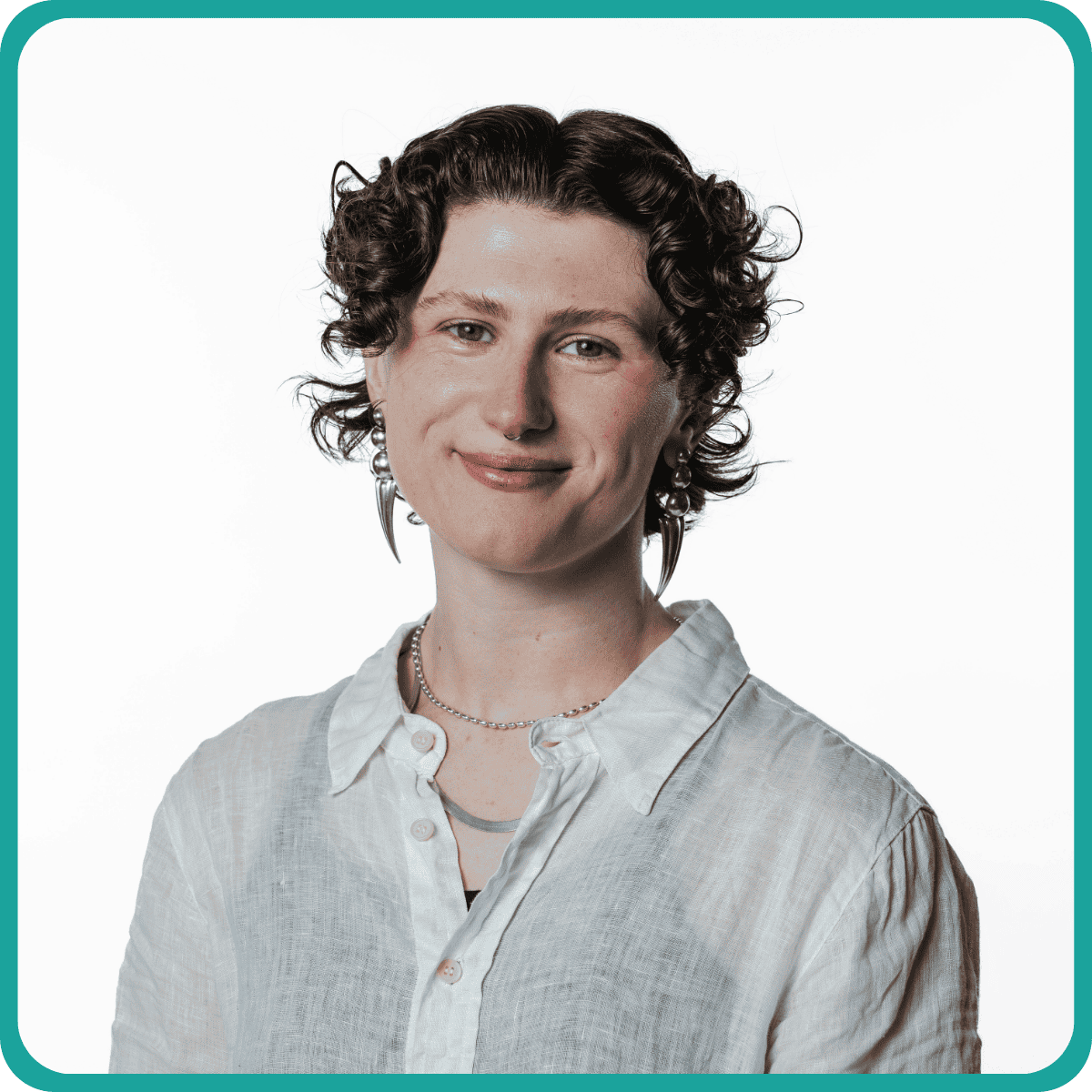
Em always knew they were a creative person. What they did not always know was that being a creative person was enough and that the thing that came easiest to them was the very thing that would carry them.
Growing up with a learning difference that made school feel like an exhausting, never-ending uphill climb, they often felt like they were missing something other people had. They weren’t.
They were a visual thinker, an ideator, a maker - and those qualities are the foundation of their career as a photographer and creative professional. They run their own small business now, building a life around the work that feels most like them.
"You don't have to go against the grain of how you were built to be successful," Em said. "Go with the grain."
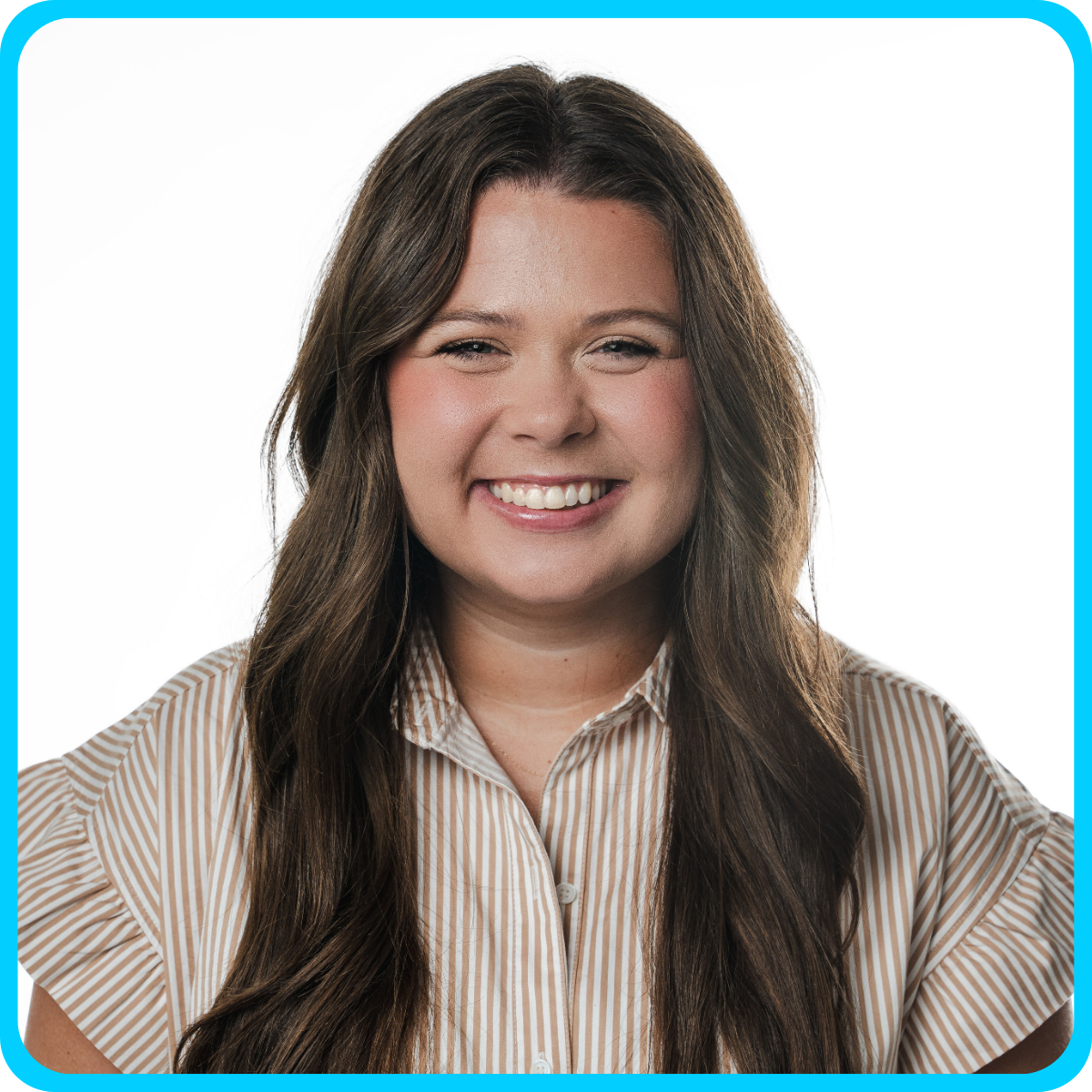
Lydia was diagnosed in kindergarten and spent years feeling like school was a battle she kept losing. Then she found the right support, the right community, and the right advocates. That’s when everything shifted.
She eventually went back to school for a master's degree, studying something she was truly passionate about, and graduated with a 4.0.
"I had never been an A or B student before," she said.
She now works at The Neurodiversity Alliance, where neurodivergence is not just accommodated - it’s centered.
These three people did not arrive at their lives by following a straight line. They stumbled, they pushed back, they learned what they needed and figured out how to ask for it. And when we asked them what they would say to their younger selves, this is what they had to say:
-
Advocate for yourself.
Lydia's message was direct: "You are smart. You know what you need better than anyone else. Keep going - you can do it, success does and should look different for everyone." Nobody knows your needs better than you do. That is not a weakness - that is expertise.
-
Your accommodations are not a shortcoming. They are a tool.
Jacob compares an IEP to a pair of glasses: "If you need prescriptions, you get glasses. So if you need extra time, your IEP gives you that extra time." The accommodation exists because the playing field was never level to begin with. Using it is not cheating. It is leveling the field.
-
The thing that comes easiest to you is not frivolous. It is your direction.
Em spent years looking at what came naturally to other people and wondering whether their own strengths counted. "The thing that brings you joy to do now is going to be the thing that makes you money and connections and makes you feel fulfilled later."
-
You are going to have to work a little harder sometimes. That is not fair, but it will make you stronger.
Jacob was honest about this one. "It's not fair. But when you're an adult, you'll appreciate it." The resilience that gets built in the struggle is real. It does not make the struggle okay. But it does go somewhere.
-
You are allowed to change your mind.
Careers are not permanent. Paths are not fixed. As Jacob put it, "Everyone else will just figure it out." You do not have to have it all mapped from the beginning. The neurodivergent adults in your life who seem to have it together? Most of them figured it out as they went.
The system was not built with your brain in mind. That is a fact, and it is worth naming. But the people in this feature are proof that neurodivergent people do not just survive that system. They build remarkable, specific, deeply personal lives on the other side of it. You are not falling behind. You are finding your way. And it leads somewhere worth going.
At The Neurodiversity Alliance, neurodivergent students and young adults connect with people who get it. Through mentorship, paid internships, and a national student community, you can build confidence and meet people who value your authentic self.
If you’re a neurodivergent student or young adult, there’s a place for you here.